

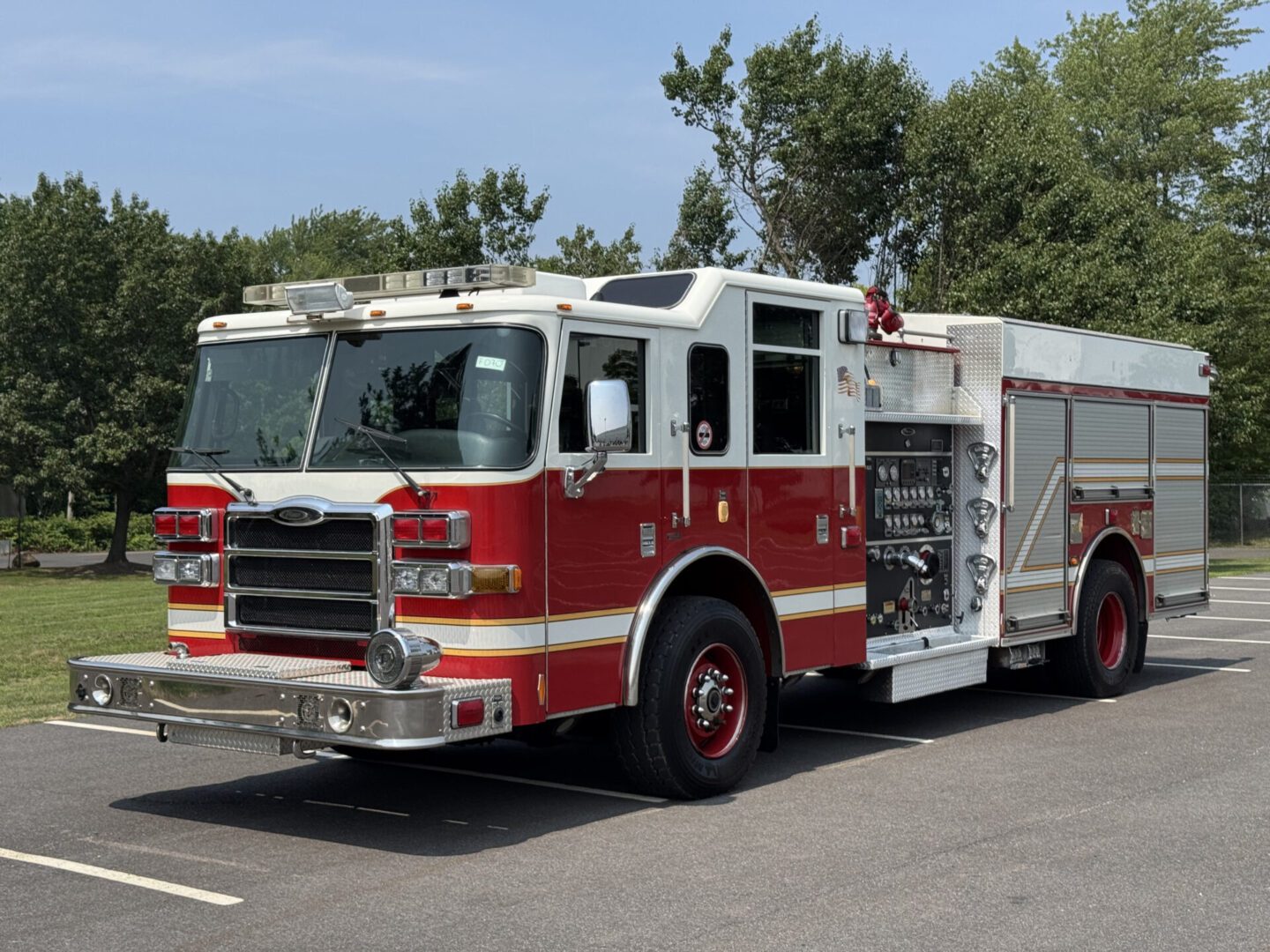
To inspect a used fire truck before buying it, work through seven systems in order: chassis and drivetrain, the fire pump, the aerial (if it has one), the water tank and plumbing, the electrical and warning package, the body and compartments, and the paperwork. Before you commit, you want three things in hand: a current pump service certificate, the real engine hours, and a clean title with maintenance records. Miss any of those and you are buying a risk, not a truck.
Key Takeaways
- Inspect in a fixed order: chassis, pump, aerial, tank, electrical, body, paperwork. A system-by-system pass catches what a walkaround misses.
- Read engine hours, not just mileage. Fire apparatus rarely rack up miles, so a low-odometer truck can still be worn out.
- Demand the current annual pump service test certificate. Under NFPA 1910, an in-service pump has to pass one every year, and a missing or expired cert is a red flag.
- On an aerial, require current non-destructive testing (NDT) certification. An out-of-cert aerial is a five-figure liability, not a bonus.
- Every truck Fire Truck Center sells goes through a 150-point inspection with third-party pump and aerial certification, so you can see exactly what a professional pre-purchase inspection covers.
How do you inspect a used fire truck before buying it?
You inspect a used fire truck by checking seven systems in order and refusing to close until the certifications and paperwork are in hand. The seven systems are the chassis and drivetrain, the fire pump, the aerial device, the water tank and plumbing, the electrical and warning package, the body and compartments, and the documentation. Work top to bottom and front to back so nothing gets skipped once the truck starts up and the excitement takes over.
Treat the inspection as risk management. A used pumper or used aerial truck is a six-figure decision for most departments, and the expensive problems, a tired pump, a corroded frame, an aerial past its test date, do not show up in a quick look around the apparatus bay. This is the same discipline behind Fire Truck Center’s 150-point inspection: a repeatable checklist beats a gut feel every time.
Bring a flashlight, get under the truck, run every function, and take photos of anything you want a second opinion on. If you cannot be there in person, have a qualified emergency vehicle technician go in your place.
What should you check on the chassis, engine, and drivetrain?
On the chassis and drivetrain, read the engine hours before the odometer, look hard for frame corrosion and fluid leaks, and confirm the truck starts, brakes, and shifts cleanly both cold and warm. Fire trucks live a strange life: they sit for long stretches, then run hard, so age and hours tell you more than miles ever will.
Start with the frame rails. Surface rust is normal on an older truck, but flaking, scaling, or corrosion at the spring hangers and cross-members is a structural concern and a reason to walk. Then work the mechanical basics:
- Cold start. Watch the first start of the day. Hard starting, heavy smoke, or a rough idle points to deferred maintenance.
- Engine hours. Ask for hours from the engine control module, not just the dash. A 20-year-old truck with low miles can still carry heavy hours from pump operation and idling on scene.
- Leaks. Check the ground under the truck and the engine bay for oil, coolant, and transmission fluid.
- Brakes and drivetrain. Confirm the air brakes build and hold pressure, and that the transmission engages without slipping or hunting.
- Tires. Note the DOT date codes. Apparatus tires often age out before they wear out, and a full set is a real expense.
How do you test a used fire truck’s pump, and what is an NFPA pump test?
You test a used fire truck’s pump by running it against its rated capacity and pressure, and by demanding the current annual pump service test certificate. Under NFPA 1910, every in-service fire pump must pass a service test each year that confirms it can draft, flow, and hold pressure at its rated performance. That certificate is the single most useful document a seller can hand you.
Put the pump through its paces on the day. Draft from a tank or static source, build pressure, and hold it. A healthy pump reaches and maintains its rated pressure without excessive slippage. Watch for:
- Pressure that will not hold. Slippage or a slow bleed-down suggests wear inside the pump.
- Leaks at the seals, valves, and intakes. Weeping gaskets and corroded valves add up fast.
- The foam or CAFS system, if equipped. Confirm the proportioner actually draws and mixes, not just that the switch lights up.
- The primer. It should pull a prime quickly and reliably.
No current certificate, or a pump the seller “hasn’t run in a while,” means you are buying an unknown. A pump rebuild runs well into the thousands, so this check pays for itself. If you are shopping used pumpers, the pump test is the heart of the whole inspection.
What do you inspect on an aerial or ladder truck?
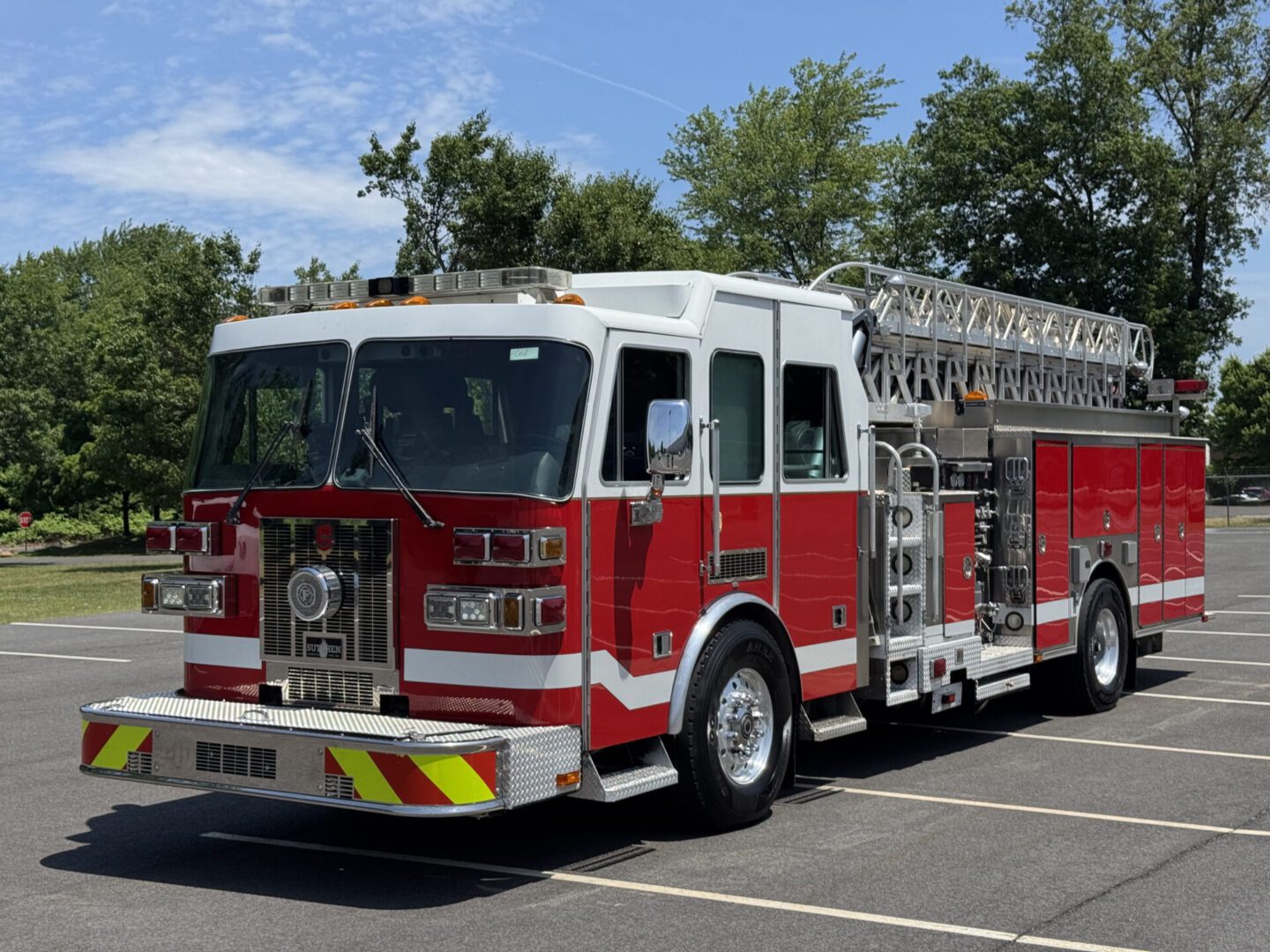
On an aerial or ladder truck, you cycle every function under load and require current non-destructive testing certification before you buy. An aerial is the most expensive system on any apparatus to repair, and visual inspection alone will not catch metal fatigue or hidden cracks. That is what NDT is for, and NFPA 1910 sets the testing and retirement standard the device has to meet.
Run the full range of motion: raise, extend, rotate, and retract while watching for smooth hydraulics, steady operation, and no drift or hesitation. Then handle the documentation:
- NDT certification date. The device needs current non-destructive testing. An expired or missing NDT record is a five-figure problem waiting to surface.
- Hydraulics. Look for leaks at the cylinders and hoses, and listen for a laboring pump.
- Cables, pins, and the turntable. Check for wear, corrosion, and proper lubrication.
- Load and interlocks. Confirm the stabilizers deploy and the interlocks work as designed.
An aerial that cannot produce a current test certificate is not a deal, it is a repair bill you have not been quoted yet.
What paperwork and certifications should come with a used fire truck?
A used fire truck should come with a clean title, current pump certification, current aerial NDT certification (if equipped), maintenance and service records, and the original build documentation. Missing paperwork is not a minor inconvenience, it is itself a red flag about how the truck was cared for and whether the seller actually has clear ownership.
Ask for and verify this set before money changes hands:
- Clean title in the seller’s name, with no liens.
- Current annual pump service test certificate (NFPA 1910).
- Current aerial NDT certification, for any truck with an aerial device.
- Maintenance and service records, ideally a continuous history rather than a single recent entry.
- Original build documentation, including the spec the truck was built to (older trucks were built to NFPA 1901, now consolidated into NFPA 1900).
A seller who keeps clean records is usually a seller who kept the truck. Fire Truck Center provides inspection and certification documentation with its inventory for exactly this reason, so the buyer is not taking anything on faith. If you are weighing your options, our guide on refurbished vs. used apparatus walks through how documentation differs between the two.
| What you’re buying | Inspected & certified truck | As-is / auction truck |
|---|---|---|
| Pump | Current annual NFPA 1910 service test on file | Unknown; may not hold pressure |
| Aerial (if equipped) | Current non-destructive testing (NDT) certificate | Test status unknown |
| Title & records | Clean title, documented service history | Often thin or missing |
| Condition | 150-point inspected, issues disclosed | Buyer assumes all risk |
| Surprise costs | Priced in up front | Five-figure repairs after purchase |
What are the biggest red flags that a used fire truck is a bad buy?
The biggest red flags are frame corrosion, a pump that will not hold pressure or has no current certificate, an aerial past its NDT date, hidden high hours, and any seller who cannot produce a title or service records. Each one maps to a repair or a legal headache that can run into five figures, which is why they are deal-breakers rather than bargaining chips.
Walk away, or renegotiate hard, when you see:
- Structural frame or cross-member corrosion.
- A pump that slips, leaks badly, or has no current service test.
- An aerial with expired or missing NDT certification.
- Engine hours that do not match the truck’s presented condition or history.
- No clean title, or a records trail that suddenly goes quiet.
The point is not to scare you off used apparatus. Departments buy used every day and put those trucks straight into frontline service. Our guide on why departments buy used covers the case for it. The point is that the inspection is what separates a smart used buy from an expensive mistake.
Frequently Asked Questions
How many hours is too many on a used fire truck?
There is no single hour cutoff that makes a used fire truck a bad buy, because condition and maintenance history matter more than any number. Fire apparatus accumulate hours from idling and pumping on scene, not just driving, so a truck with low mileage can still carry significant hours. Judge the hours against the pump test results, the service records, and the overall condition rather than a fixed threshold.
Should I trust the dealer’s inspection or get my own?
You should verify the dealer’s inspection with documentation, and get an independent check when you are buying from a seller you do not know. A reputable dealer will hand you a current pump certificate, aerial NDT records, and a service history without being pushed. Fire Truck Center runs a 150-point inspection with third-party pump and aerial certification, so the vetting is documented rather than promised, but confirming those documents yourself is always the right move.
Can you finance a used fire truck?
Yes, many departments finance used fire apparatus, and the inspection matters here too because it protects the value of what you are financing. A truck with current certifications and clean records is easier to stand behind than an as-is unit with unknowns. Knowing what a used fire truck should cost before you inspect helps you judge whether the asking price already accounts for any work the truck needs.
What certifications should come with a used aerial or ladder truck?
A used aerial needs a current non-destructive testing (NDT) certificate, and you should cycle every function under load before you commit. Visual inspection will not catch metal fatigue or hidden cracks, which is exactly what NDT is for, and NFPA 1910 sets the standard the device has to meet. Treat a missing or expired NDT record as a five-figure problem you have not been quoted for yet — the aerial is the most expensive system on any apparatus to repair.
What paperwork should a used fire truck come with?
A used fire truck should come with a clean title in the seller’s name with no liens, a current annual NFPA 1910 pump service test certificate, current aerial NDT certification if it has an aerial device, continuous maintenance and service records, and the original build documentation showing the spec it was built to. Missing paperwork is not a minor inconvenience — it tells you how the truck was cared for and whether the seller actually has clear ownership.
Ready to skip the guesswork? Browse Fire Truck Center’s inspected used fire trucks for sale, each one 150-point inspected with third-party pump and aerial certification, or call (215) 559-9119 and we will walk you through a truck’s inspection report before you buy.

 CALL US NOW