


Latest articles
Browse useful information for departments researching, buying, or selling fire apparatus.
-
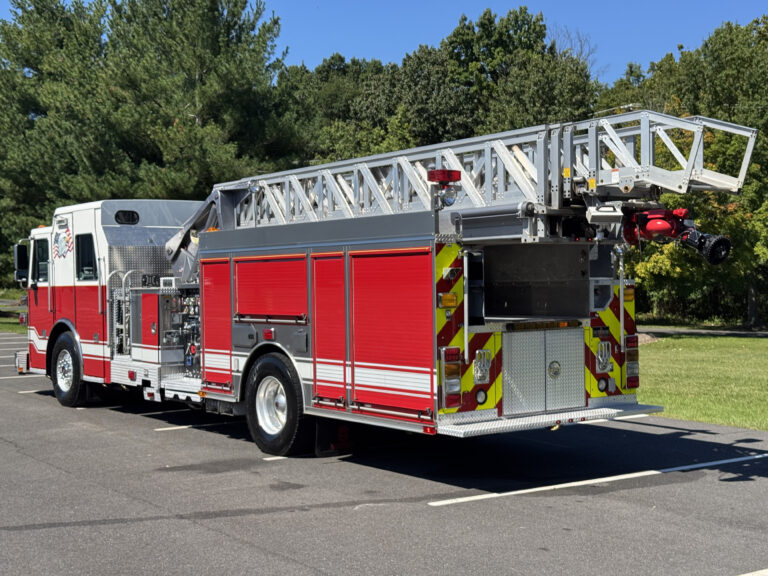
Fire Truck vs Fire Engine: What’s the Difference?
Read article : Fire Truck vs Fire Engine: What’s the Difference?A fire engine carries the pump, tank and hose, and it puts water on the fire. A fire truck carries the aerial ladder and the forcible-entry tools. Neither NFPA nor the federal typing system uses the phrase fire truck, and plenty of aerials carry a bigger pump than the engine parked beside them.
-
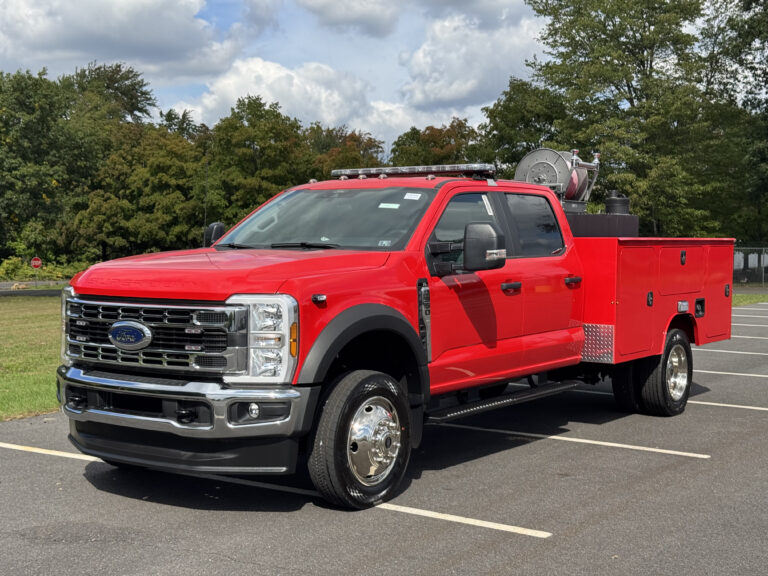
What a Wildland Fire Engine Can Actually Do on a Fire
Read article : What a Wildland Fire Engine Can Actually Do on a FireA wildland fire engine is a 4x4 built to leave the road, carry its own water and pump while it drives. Its type number sets a floor for dispatch, not the truck’s real capability. Here is what Type 3 and Type 6 rigs deliver, how long the water lasts, and what to check on a used one.
-
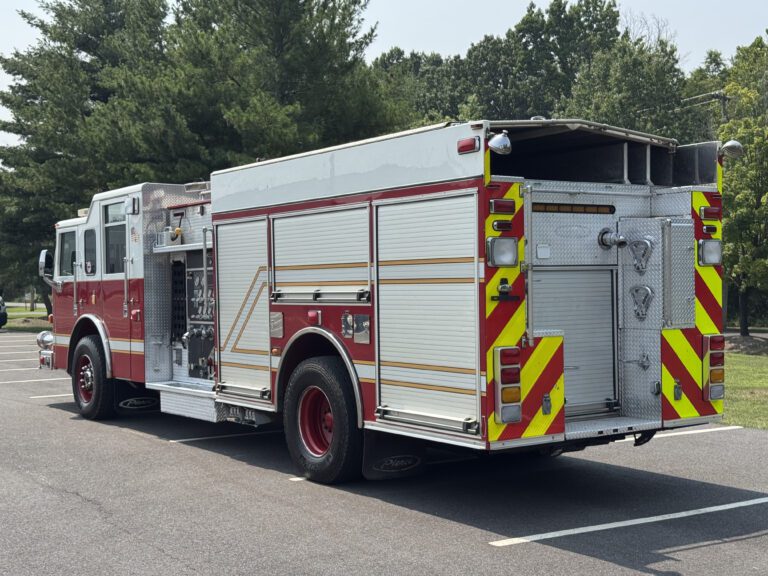
Fire Truck Cab and Compartment Space: Will It Carry Your Crew and Gear?
Read article : Fire Truck Cab and Compartment Space: Will It Carry Your Crew and Gear?Two numbers decide whether a used fire truck fits your department: how many firefighters it seats and how much equipment it carries. NFPA requires a capacity label in the cab and sets a 40-cubic-foot compartment floor on a pumper. Here is how to check seating, seat belts and real payload on a used truck before you buy.
-
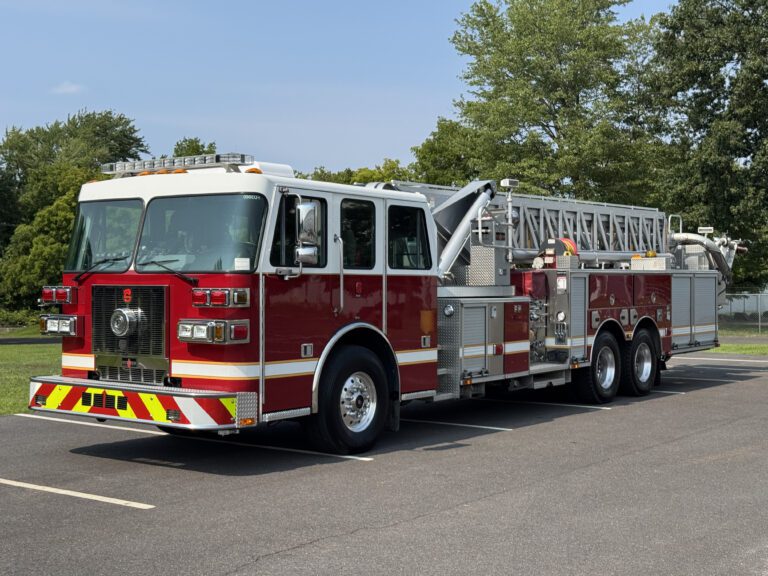
How Much Does a Fire Truck Weigh?
Read article : How Much Does a Fire Truck Weigh?A fire truck weighs anywhere from about 14,000 pounds for a light wildland engine to 86,000 pounds for a loaded aerial platform, and water accounts for much of the difference at 8.34 pounds a gallon. Here are the real weights by apparatus class, and the GVWR, axle and federal road limits that decide whether a truck fits your department.
-
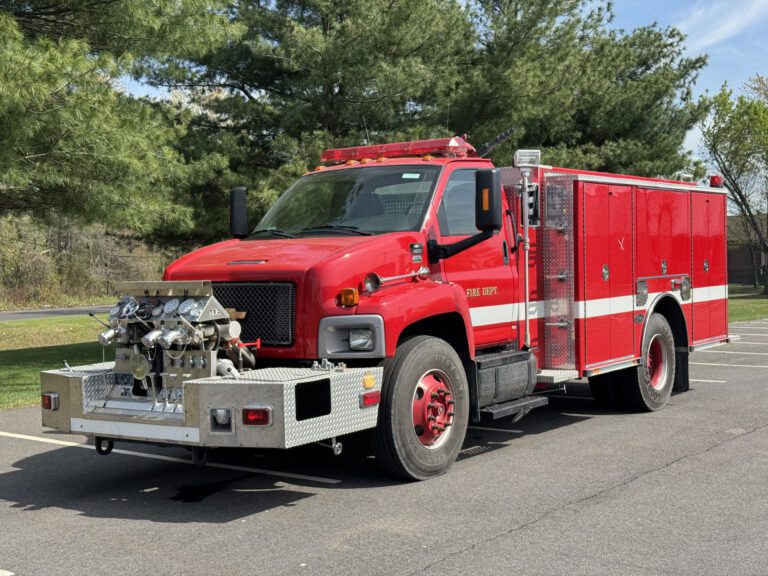
Which Fire Truck Type Do You Need? A Buyer’s Decision Guide
Read article : Which Fire Truck Type Do You Need? A Buyer’s Decision GuideFour things about your department decide which fire truck type you need: your water supply, your staffing, your building stock and your call mix. Applied in that order, most of the catalogue rules itself out. Here are the NFPA and ISO thresholds that settle each one.
-
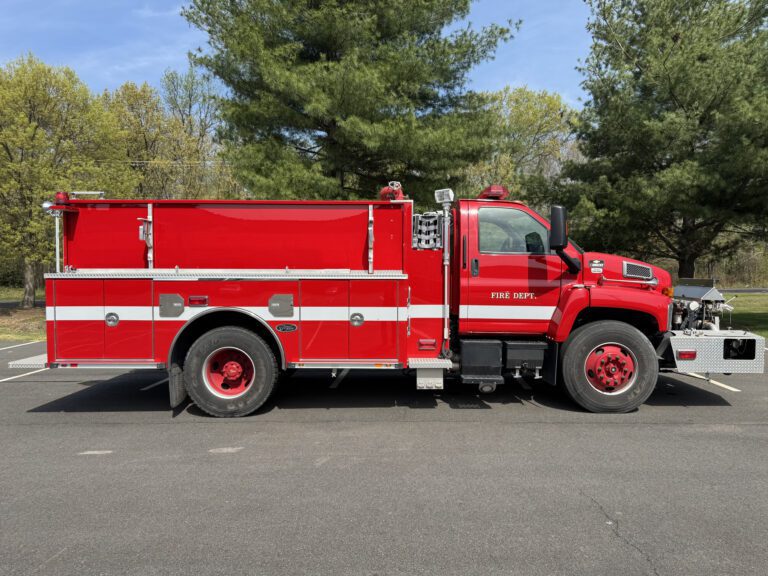
How Long Does a Fire Truck Last? Fire Truck Lifespan in 2026
Read article : How Long Does a Fire Truck Last? Fire Truck Lifespan in 2026A fire truck lasts about 15 years front-line and up to 25 years total. Here is what NFPA actually recommends, when to repair instead of replace, and why mileage and engine hours tell you more than the model year.
-

Why Are Fire Trucks Red? The History and the Facts
Read article : Why Are Fire Trucks Red? The History and the FactsFire trucks are red because of tradition, not because red is the easiest color to see — the research has pointed the other way since the 1960s. Here is where the color came from, what NFPA 1900 requires instead of a paint color, and whether a used truck's color should change what you pay for it.
-
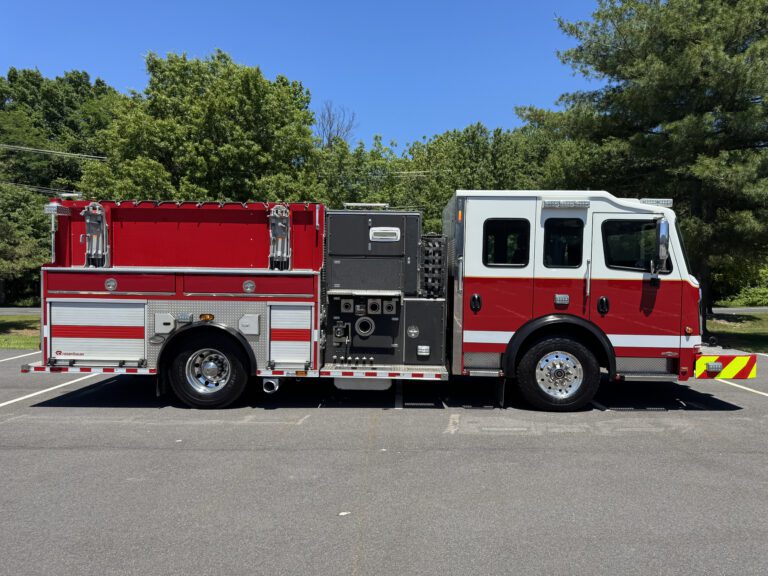
Used Pumper for Sale: What to Check and What It Costs
Read article : Used Pumper for Sale: What to Check and What It CostsA service-ready used pumper runs about $45,000 to $350,000, and most department-ready engines land between $75,000 and $275,000. This guide covers what those price bands buy, what a pump test certificate has to prove, how to read mileage against engine hours, which pump and tank size fits your department, and the paperwork that should arrive with the truck.
-
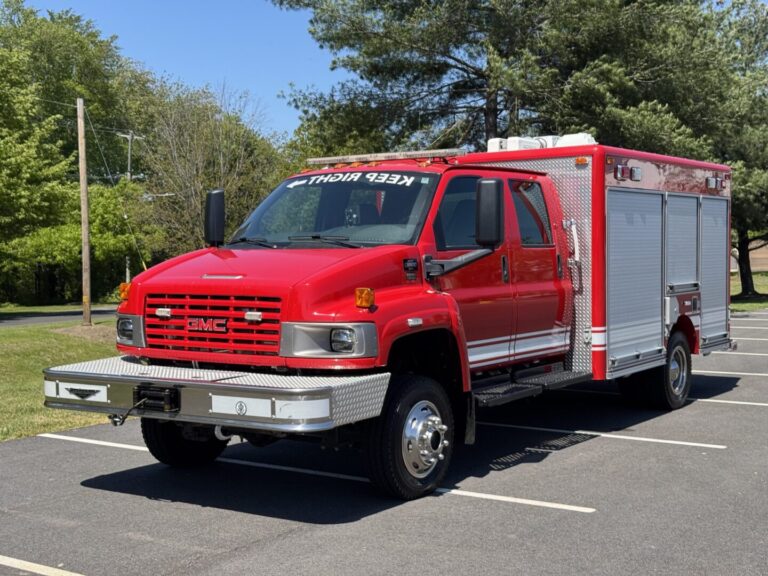
What Is a Heavy Rescue Truck? Specs, Costs and Uses
Read article : What Is a Heavy Rescue Truck? Specs, Costs and UsesA heavy rescue truck carries extrication tools, onboard power and scene lighting instead of water, and most have no pump or tank. Here is what one does, what a current spec carries, what new and used ones cost, and how to match the configuration to the crew you can field.
 CALL US NOW