

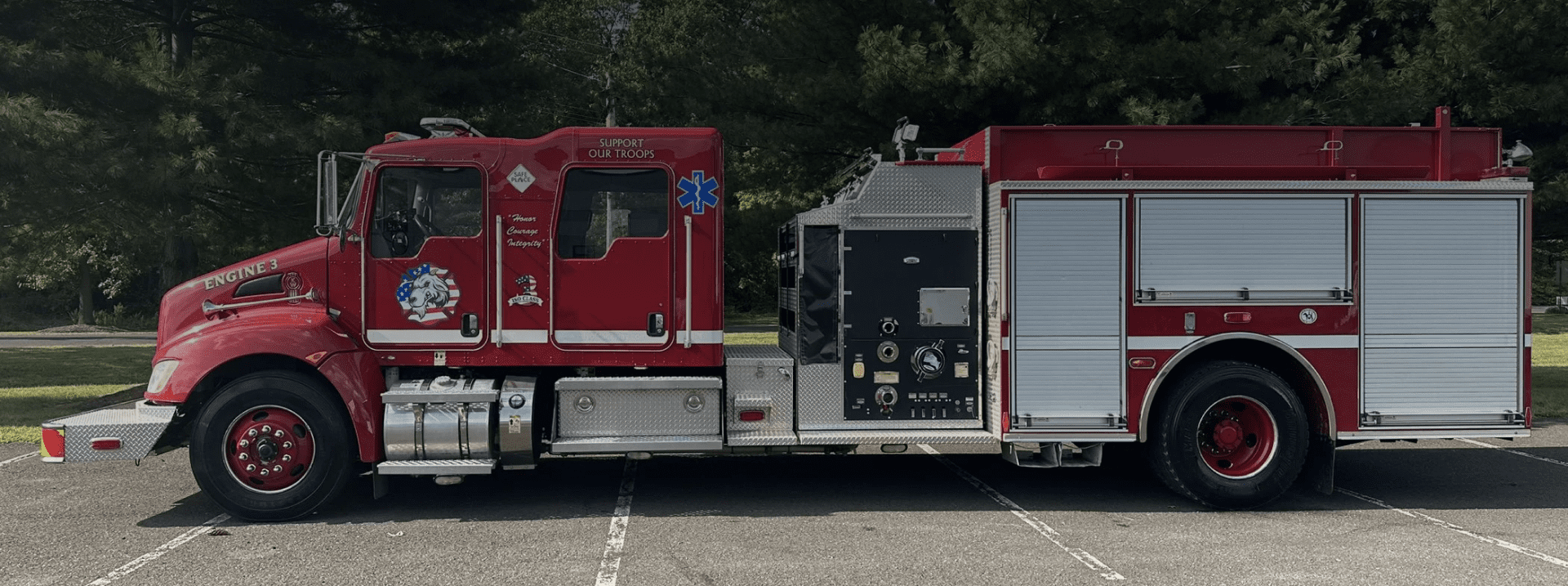
Fire trucks are an essential part of firefighting operations, and each type is designed for a specific purpose. Whether it’s dousing a blazing building, rescuing individuals from high places, or dealing with rural wildfires, each fire truck has a unique role to play. This guide explores the various types of fire trucks, providing insights into their uses and key features. Understanding these vehicles is crucial for both firefighting professionals and emergency response teams.
1. Fire Engines (Pumpers)
One of the most common types of fire trucks is the fire engine, also known as a pumper. These trucks are designed primarily for firefighting operations and are equipped with pumps, water tanks, hoses, and tools for controlling fires. Fire engines are the first responders to arrive at the scene of a fire and are crucial in both urban and rural firefighting.
Key Features of Fire Engines:
- Water Pumps: Fire engines typically have onboard pumps that draw water from local water sources (such as hydrants) or onboard water tanks.
- Hose Connections: These trucks are equipped with various lengths of hoses to reach fires that are not immediately accessible to the truck itself.
- Tool Storage: Fire engines carry axes, ladders, and other tools needed for breaking down doors or creating access to fire zones.
If you’re looking for reliable fire engines, check out the selection here.
Browse the used pumpers and fire engines we have in stock.
2. Aerial Ladder Trucks
Aerial ladder trucks are designed to handle high-rise fires or rescue operations. These trucks are equipped with long, extendable ladders that allow firefighters to access elevated structures, such as apartments or office buildings. In addition to ladders, some of these trucks also have water cannons mounted at the top for delivering water to fires that are difficult to reach.
Key Features of Aerial Ladder Trucks:
- Extendable Ladders: Ladders can extend up to 100 feet or more, depending on the truck model.
- Elevated Water Nozzles: Some trucks are equipped with water nozzles that allow for high-pressure water delivery from the elevated position.
- Rescue Capabilities: These trucks are commonly used for rescuing people from tall buildings or upper floors during a fire.
Explore different aerial ladder trucks available for sale here.
3. Rescue Trucks
Rescue trucks are specialized vehicles designed to carry equipment for technical rescue operations. While fire engines often have basic tools for entry and rescue, rescue trucks carry advanced gear for situations such as vehicle extractions, building collapses, or water rescues. These trucks are critical in dealing with a wide range of emergencies that go beyond just fighting fires.
Key Features of Rescue Trucks:
- Specialized Equipment: Rescue trucks carry tools such as hydraulic spreaders, cutters (often referred to as the “Jaws of Life”), ropes, airbags, and medical equipment.
- Diverse Capabilities: These trucks can respond to structural collapses, confined space rescues, and even hazardous material situations.
- Multi-Purpose Storage: Rescue trucks are designed with compartments to carry an extensive array of tools and equipment, ensuring that responders have everything they need on the scene.
If you’re in need of a reliable rescue truck, you can find one here.
Browse our used rescue trucks for sale.
4. Wildland Fire Trucks
Wildland fire trucks are specifically designed for fighting fires in remote or rugged environments. These trucks are built to handle off-road conditions, making them essential for controlling wildfires in forests, grasslands, or rural areas. Due to the unpredictable nature of wildland fires, these trucks are equipped with four-wheel drive and carry large water tanks to operate in areas with limited access to water.
Key Features of Wildland Fire Trucks:
- All-Terrain Capabilities: Designed to go off-road, wildland fire trucks are built to navigate through forests and other difficult terrain.
- Large Water Tanks: Since water may be scarce in remote areas, these trucks carry large water tanks and pumps to ensure firefighters can tackle wildfires effectively.
- Compact Size: Wildland fire trucks are often smaller and more maneuverable than traditional fire engines, making them ideal for accessing narrow trails or remote fire sites.
You can view available wildland fire trucks here.
See the used brush and wildland trucks in stock.
5. Tankers (Water Tenders)
Tankers, also known as water tenders, are essential for firefighting operations in areas where water supply is limited, such as rural or remote locations. These trucks are designed to transport large volumes of water to the fire scene, ensuring that firefighters have a continuous water supply when dealing with extensive fires. Tankers are often used in conjunction with other fire trucks that may not have large onboard water storage.
Key Features of Tankers:
- Large Water Storage: Tankers can carry anywhere from 1,000 to 4,000 gallons (or more) of water, depending on the model.
- Quick Water Deployment: Equipped with quick dump valves, tankers can release large amounts of water in a short period, making them useful for maintaining a steady flow of water in the absence of fire hydrants.
- Rural Applications: Tankers are particularly valuable in rural areas where water sources are scarce, and long-distance water transportation is required.
For more information on water tenders available for purchase, visit here.
Browse the used tankers and water tenders for sale.
6. Quint Fire Trucks
Quint fire trucks are a hybrid type of fire truck, combining the capabilities of a fire engine and an aerial ladder truck. The name “Quint” comes from the five functions these trucks can perform: pumping, water tank storage, hose operations, ground ladder use, and aerial ladder capabilities. Quint trucks are versatile, making them popular in departments that need a multi-functional vehicle for diverse emergency situations.
Key Features of Quint Fire Trucks:
- Pumping and Water Storage: Like a fire engine, Quint trucks have onboard pumps and water tanks for firefighting.
- Aerial Ladder Functionality: These trucks also come equipped with an extendable ladder, providing access to high structures and supporting elevated firefighting operations.
- Efficiency: Quint trucks are ideal for smaller fire departments or areas where budget constraints limit the number of specialized vehicles that can be maintained.
Explore Quint fire trucks for sale here.
“A straight aerial generally doesn’t have a pump, so there’s no pump to wear out. And a straight engine doesn’t have an aerial ladder, so there’s no aerial to wear out. A Quint has both systems, so you need to consider the condition of both.” — our founder, on what makes a quint different to buy and maintain.
7. Heavy Rescue Trucks
Heavy rescue trucks are designed for major technical rescue situations, such as structural collapses, industrial accidents, and complex extrications. These trucks carry a wide range of advanced rescue tools, including specialized cutting and lifting equipment, and are often staffed by teams with extensive technical rescue training.
Key Features of Heavy Rescue Trucks:
- Advanced Rescue Tools: These trucks are stocked with high-powered equipment, such as cutting torches, pneumatic tools, and heavy-duty lifting devices.
- Technical Rescue Teams: Often operated by specialized rescue teams, these trucks are vital for dealing with complex emergencies like building collapses, trench rescues, and hazardous material incidents.
- Extra Storage: Heavy rescue trucks feature a large number of compartments for carrying the necessary gear for complex rescues.
Check out heavy rescue trucks for sale here.
Heavy rescues are listed in our rescue and squad inventory.
Which fire truck type fits your department?
Fire trucks are as diverse as the emergencies they respond to, and each type serves a unique and critical role in firefighting and rescue operations. From urban fire engines to wildland fire trucks and everything in between, having the right vehicle for the right situation can mean the difference between success and disaster. Whether you’re in need of a specific fire truck for your department or simply looking to understand the roles of each vehicle, understanding these types is essential for ensuring safety and preparedness in emergency situations.
To explore the full range of fire trucks for sale, visit FireTruck.Center.
Trucks are also classified by capability, not just body style. For the national numbering system, see fire truck types by NFPA class (Type 1, 2, 3 and up).
Frequently asked questions about fire truck types
What are the main types of fire truck?
The main categories are fire engines (pumpers), aerial ladder trucks, rescue trucks, wildland and brush trucks, tankers or water tenders, quints, and heavy rescues. Each is built around a different job: engines pump water, aerials provide elevated access and master streams, tankers haul water where there are no hydrants, and rescues carry extrication and technical rescue equipment.
What is the difference between a quint and a straight aerial?
A quint carries both a pump and an aerial device; a straight aerial carries the aerial but no pump, so it needs a pumper working alongside it. That matters when you buy used, because a quint has two major systems to inspect and certify rather than one, and it matters operationally because a straight aerial commits you to crewing two pieces of apparatus.
What type of fire truck do rural departments without hydrants need?
A tanker, also called a water tender, is the core apparatus for departments without a hydrant system. It hauls large volumes of water to the scene and supplies the attack engine, which is why rural and volunteer departments often build their water supply plan around one before adding anything else.
What is the difference between a rescue truck and a heavy rescue?
A rescue truck carries extrication and medical equipment for routine incidents. A heavy rescue is built for major technical rescue work such as structural collapse, confined space and complex vehicle extrication, and carries substantially more specialised equipment, more power generation, and usually a larger body.
How do fire truck type numbers relate to these categories?
They are two different systems. The categories on this page describe body style and role. The Type 1 to Type 7 numbering describes capability — pump rating, tank size, staffing — and is set for wildland and mutual-aid purposes rather than by body style. A single truck has both a category and a type number.
 CALL US NOW