

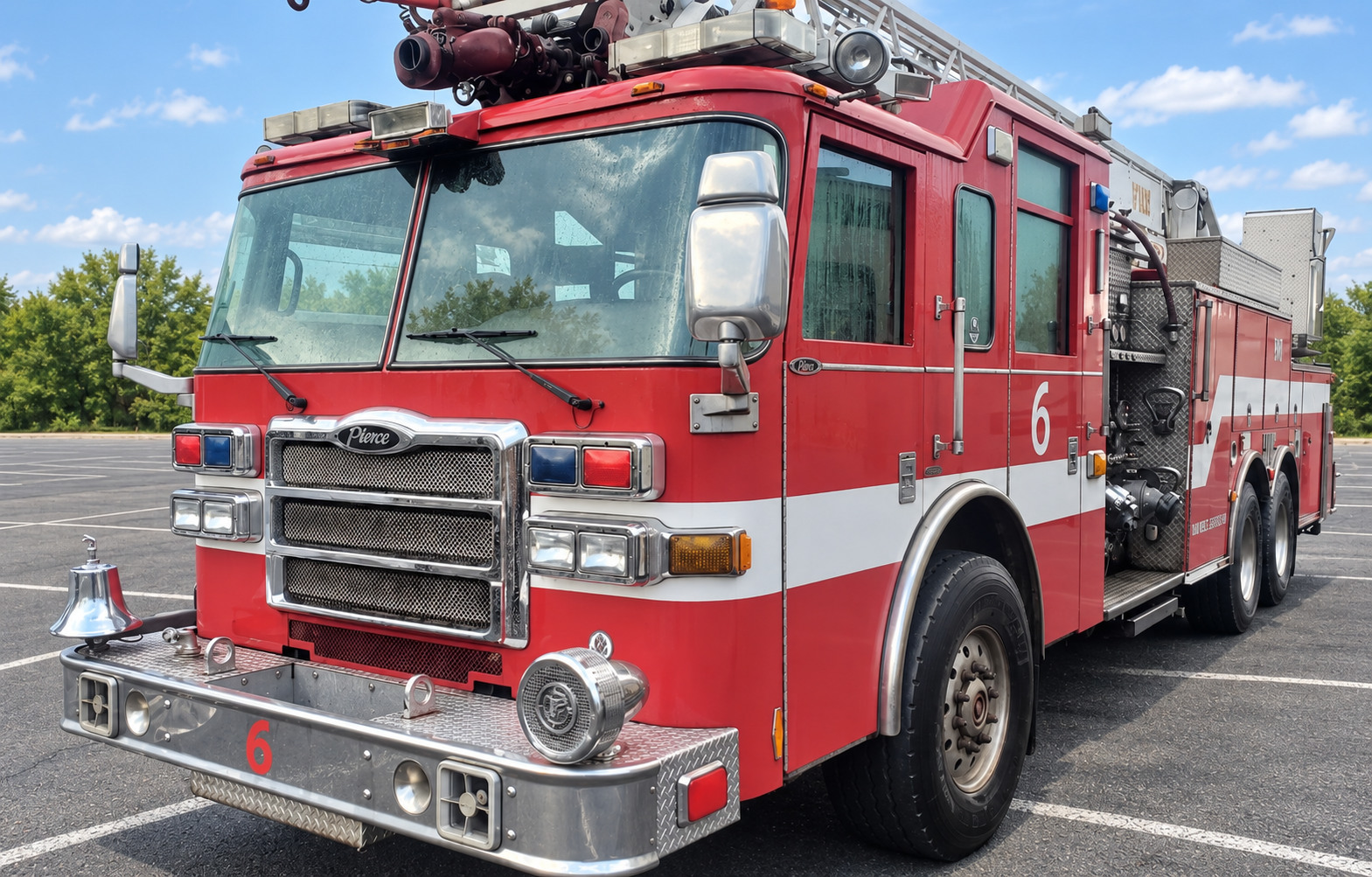
A quint fire truck carries five pieces of firefighting equipment on one chassis, so one apparatus can do the work of both an engine and a ladder truck.
What is a Quint Fire Truck?
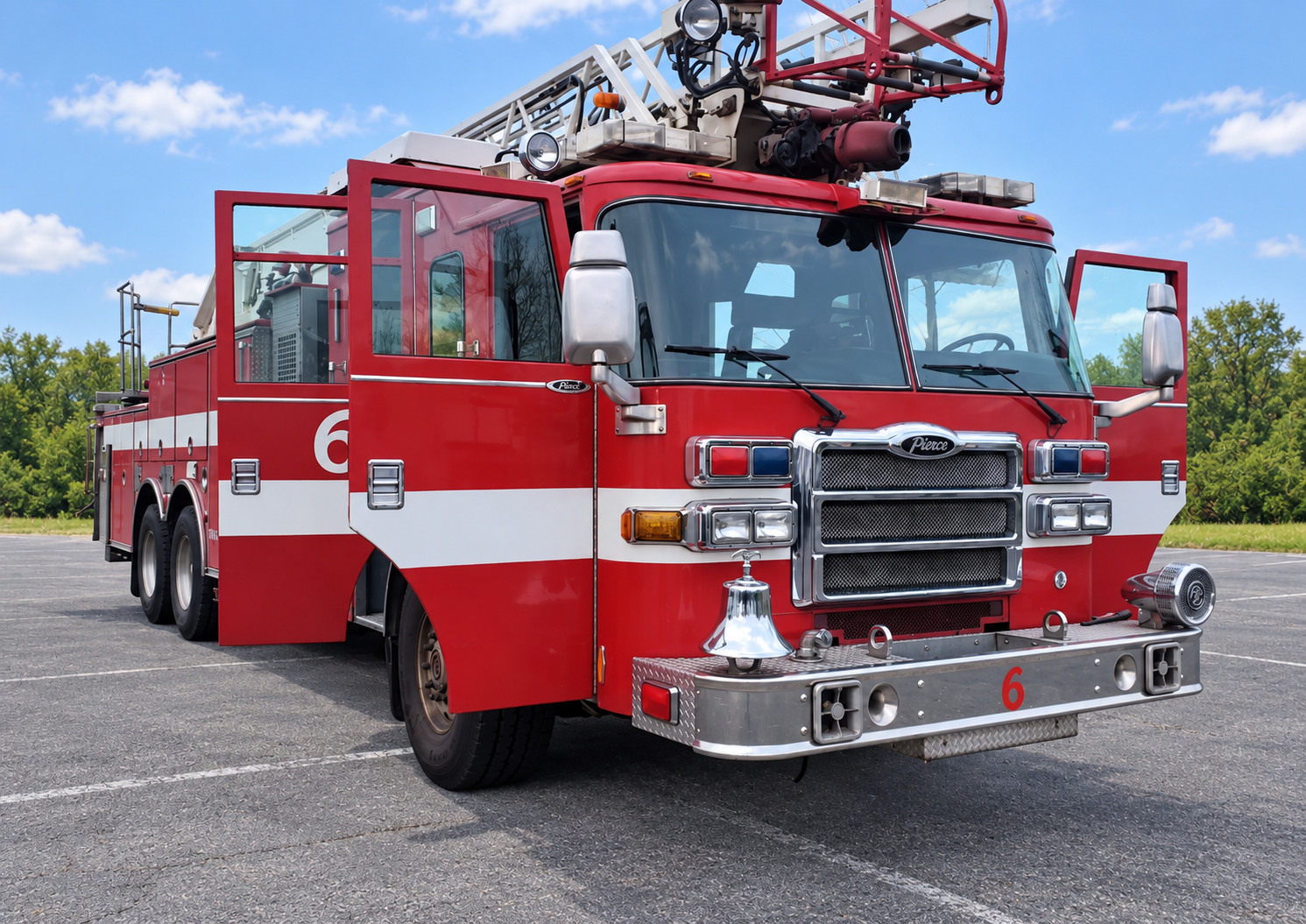
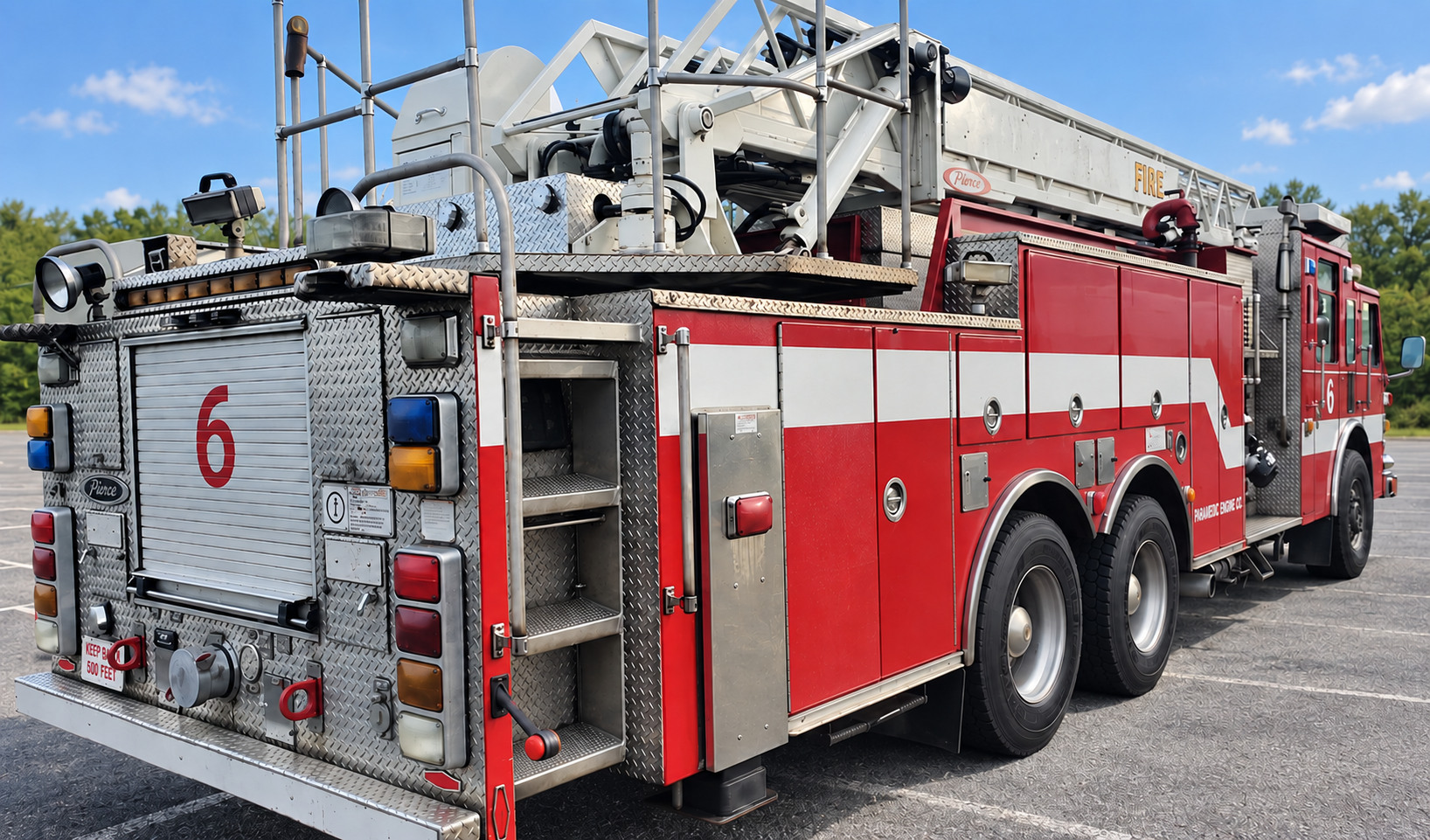
A quint fire truck, also known as a quintuple combination pumper, is a fire apparatus that combines the functions of a ladder truck and a fire engine. The name “quint” refers to the five essential firefighting tools it incorporates:
- Water Tank: A minimum capacity of 300 gallons.
- Water Pump: A minimum capacity of 1,000 gallons per minute (gpm).
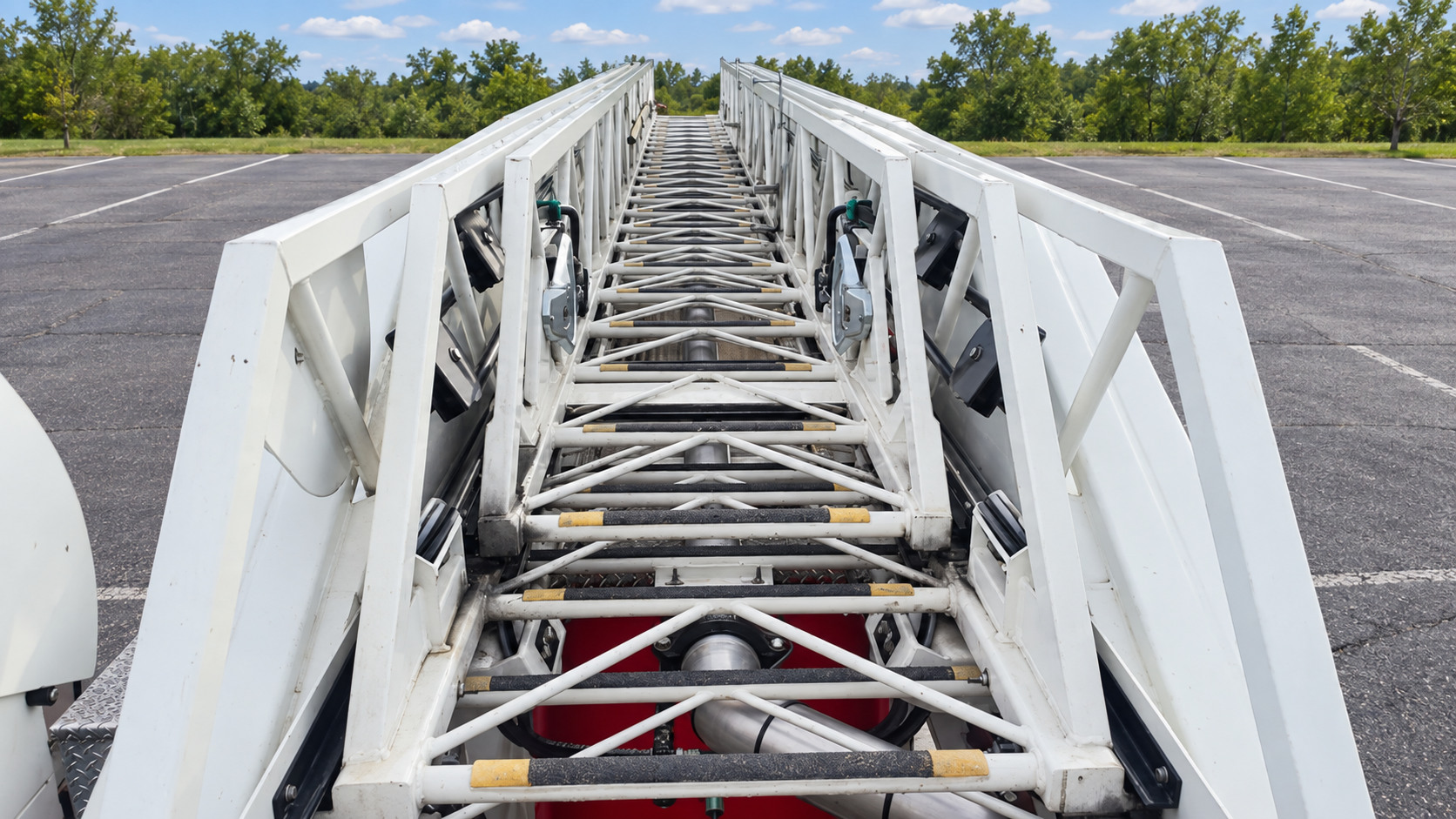
- Aerial Device: Includes a permanently installed waterway.
- Fire Hose: Equipped with a supply hose.
- Ground Ladders: A minimum of 85 feet in length.
This multifunctional design allows quints to serve dual roles, acting as both an engine and a ladder truck.
Why Are Quints So Popular?
Quints are becoming the most popular truck company vehicle across the country. They offer fire departments a tool with both a ladder and pumper engine combined, providing tremendous emergency response capabilities. Their growing popularity can be attributed to:
- Operational Flexibility: The ability to perform multiple roles during an emergency.
- Cost-Effectiveness: Reduces the need for separate vehicles.
- Space Efficiency: Ideal for firehouses with limited parking or storage space.
Choosing the Perfect Quint for Your Department
When selecting a quint for your fire department, several factors should be considered:
- Geographical Region: Consider the terrain and road conditions in your area.
- Building Heights: Evaluate the tallest structures and areas where buildings are set back farthest from the road.
- Maneuverability: Assess the space you’ll need for operating the truck in tight or congested areas.
- Reach Requirements: Determine how much reach the aerial device needs for your community.

Training for Effective Quint Operations
Key training areas include:
Cross-Training: Ensure your team is proficient in ladder deployment, engine operations, and other quint-specific tasks.
Role Clarity: Each member must thoroughly understand their responsibilities when operating the quint.
Communication: Build clear communication between team members during emergency operations.
Time Management: Teach personnel how to manage their time effectively during high-pressure situations.
Types of Quint Fire Trucks
Quint fire trucks come in various configurations to suit the specific needs of fire departments. Common types include:
Mid-Mount Quint:
- Aerial device mounted in the middle of the vehicle.
- Lower center of gravity for improved stability.
- Suitable for narrow streets and challenging terrains.
Rear-Mount Quint:
- Aerial device mounted at the rear.
- Greater reach for high-rise buildings.
- Preferred for urban areas with tall structures.
Custom Quints:
- Tailored to unique departmental requirements.
- Options for advanced technology, increased storage, or specialized equipment.
Quint fire trucks are revolutionizing firefighting with their versatility and efficiency.
Whether you’re upgrading your fleet or purchasing your first quint, please visit Fire Truck Center and view our extensive inventory of quint fire trucks. Take the first step toward enhancing your department’s capabilities.
Stay safe, and thank you for your service!
New to the numbering system? Our guide to fire truck types 1 through 6 breaks down how quints and every other class are rated.
What should you check when buying a used quint?
On a used quint you are inspecting two expensive systems on one chassis, and both have to pass. That is the part departments underestimate. Our founder, who has been buying and reconditioning used apparatus since 2015, puts the ladder first:
“The most important thing to consider is the structural condition of the ladder. It needs to be properly inspected and tested to ensure its safety and structural integrity. You also need to pay close attention to corrosion and make sure the ladder is structurally sound. Other things, like tank size and vehicle dimensions, are usually pretty obvious. But the structural components are critical, and that’s where I would focus my attention.”
The second point is what separates a quint from anything else on the lot:
“A straight aerial generally doesn’t have a pump, so there’s no pump to wear out. And a straight engine doesn’t have an aerial ladder, so there’s no aerial to wear out. A Quint has both systems, so you need to consider the condition of both. You have to inspect the pumping system as well as the aerial ladder and its structural components.”
In practice that means two sets of paperwork rather than one. Ask for a current third-party pump service test and a current aerial certification before you commit, not after. Corrosion is the single most common reason we walk away from a truck, and on an aerial the structural repairs are the expensive ones — replacing a torque box alone can run to roughly $100,000.
Which used aerials we turn down, and why
We look at a lot of used aerials before making a purchase, and condition decides it rather than the badge or the year.
“We don’t typically rule out aerials based on their age or manufacturer. Most of the major manufacturers build quality aerials. Brands like Sutphen, Seagrave and Pierce are generally very reliable. HME is one manufacturer we’d be more cautious about on the aerial side because we’ve seen our fair share of issues with them. But ultimately, we focus much more on the condition of the individual truck than on its age or brand. You can have a newer truck that’s been pretty beat up, while an older truck that’s been properly maintained might be in much better shape.”
Corrosion is the one thing that ends the conversation.
“Corrosion is usually the biggest dealbreaker for us. If a truck has major rust or significant corrosion, we simply won’t touch it.”
Assume the pump will need something.
“Most used trucks need some kind of pump service. It might be repacking the pump, repairing leaking valves or taking care of other maintenance issues. The cost can vary quite a bit, anywhere from several hundred dollars to many thousands, depending on what needs to be done. It’s something we expect and account for when purchasing used apparatus.”
Check the engine hours against the mileage as well. If the two do not line up, that is a reason to dig — it can mean the odometer was replaced, or it can simply reflect how the department ran the truck. Either way, verify the history before you price the truck.
What happens if the aerial fails certification?
“In most cases, the issues are fixable. Sometimes, though, you might need to replace a torque box or deal with other major structural problems. Those situations can be very expensive, but fortunately, they’re not very common. A failed certification doesn’t automatically mean the truck is beyond repair.”
A torque box replacement runs to roughly $100,000, which is why the structural condition of the aerial is the first thing we inspect and the last thing to compromise on.
What does a used quint cost?
A quint’s price turns on the aerial — its length, its age, its certification history and how hard the truck was run — so there is no single figure. What stays consistent is the gap against buying new.
“The price difference can be anywhere from hundreds of thousands to millions of dollars, depending on the year and the type of truck you’re comparing.”
That gap is why most departments that call us about a quint are looking used. On what a working budget reaches:
“For $150,000, a department can get a nice, properly inspected vehicle that they can expect to get many more years of service out of.”
Budget for service on top of the purchase price. Most used apparatus needs some pump work, which can run from several hundred dollars to several thousand, and the structural condition of the aerial is the one place not to economise — that is where the six-figure surprises live. For a fuller breakdown by truck type, see what used fire trucks cost.
Should you buy a quint, or a straight aerial and a separate pumper?
This is the question most chiefs are asking, and the answer usually comes down to staffing rather than price.
“In general, we don’t try to steer customers away from a Quint. The main alternative would be a straight aerial without a pump, but then you’d need a separate pumper to support it. That creates additional staffing challenges because you now have to operate two pieces of apparatus instead of one. So, if a department is looking for a Quint, we generally try to help them find one rather than steer them toward something else.”
For a department running tight on volunteers or on a small career roster, one rig that can do both jobs is often worth more than the theoretical advantages of two specialised ones.
If the answer is a straight stick rather than a quint, compare the used ladder trucks and aerials we have in stock — straight sticks, mid-mounts, rear-mounts and platforms, all aerial-certified before listing.
A 2010 Ferrara 77-foot quint, Northwood NH
Chief Mark W. Tetreault of the Northwood NH Fire Department, on a quint he bought from us:
“We recently purchased a 2010 Ferrara 77-foot quint from The Fire Truck Center. Vitaly coordinated the purchase from start to finish. We quickly agreed on a fair price and there were no nickel and diming after the fact. When we took delivery of the truck, it had been detailed and was in like new condition… The few minor issues were addressed and repaired before we drove the truck off the lot.”
Frequently asked questions about quint fire trucks
What are the five components that make a fire truck a quint?
A quint carries five: a water tank of at least 300 gallons, a pump rated at a minimum of 1,000 GPM, an aerial device with a permanently installed waterway, a supply hose, and a ground ladder complement totalling at least 85 feet. Carrying all five is what lets one apparatus do the work of both an engine and a ladder truck.
What should you inspect on a used quint?
Inspect both systems, because a quint has both. Start with the structural condition of the aerial — cracks, corrosion, the turntable and the pedestal — then test the pump. Ask for a current third-party pump service test and a current aerial certification. Structural problems on the aerial are the expensive ones; a torque box replacement can run to roughly $100,000.
Should you buy a quint or a straight aerial plus a pumper?
It usually comes down to staffing rather than price. A straight aerial has no pump, so it needs a pumper alongside it, which means crewing two pieces of apparatus instead of one. Departments short on staffing generally get more out of a single quint than out of two specialised rigs.
Does a used quint need both a pump test and an aerial certification?
Yes. The pump and the aerial are separate systems with separate NFPA testing requirements, and a used quint should come with current third-party documentation for both. A truck that can produce one but not the other is only half inspected.
What is the difference between a mid-mount and a rear-mount quint?
A mid-mount quint carries the aerial device in the middle of the vehicle, giving it a lower centre of gravity and better handling on narrow streets and difficult terrain. A rear-mount carries it at the back, which gives greater reach for high-rise work and is generally preferred in urban settings.

 CALL US NOW