


Latest articles
Browse useful information for departments researching, buying, or selling fire apparatus.
-
Why a 1,500 GPM Pump Is Not 1,500 GPM at Your Hydrant
Read article : Why a 1,500 GPM Pump Is Not 1,500 GPM at Your HydrantA fire pump's capacity rating is measured at draft, at 150 psi, through 20 feet of suction hose. At a hydrant, the water main and your supply line set the flow. A light-blue hydrant feeding 500 feet of 5-inch hose can leave a 1,500 gpm pump with about 900 gpm.
-
How to Compare Two Used Fire Trucks Beyond the Price
Read article : How to Compare Two Used Fire Trucks Beyond the PriceTo compare two used fire trucks, check mission fit first, then the NFPA edition each was built to, miles and hours, tire age, pump and aerial certification and parts support. Add each truck's year-one costs to its price and divide by the years of service it has left. The cheaper truck often costs more per year.
-
What Is a Dry Hydrant, and Why Do Rural Departments Depend On Them?
Read article : What Is a Dry Hydrant, and Why Do Rural Departments Depend On Them?A dry hydrant is a non-pressurized pipe installed in a pond, lake or stream so a fire engine can draft water at the roadside. Here is what the federal design standard requires, how ISO credits one, and why the truck drafting from it matters as much as the pipe.
-
Questions to Ask Before Buying a Used Fire Truck
Read article : Questions to Ask Before Buying a Used Fire TruckBefore you travel to see a used fire truck, ask these 13 questions. A used car comes with a federal Buyers Guide and a signed odometer statement; a fire truck comes with neither, because both rules stop at a weight threshold no apparatus meets. Here is what to ask, what a real answer contains, and which answers mean walk away.
-
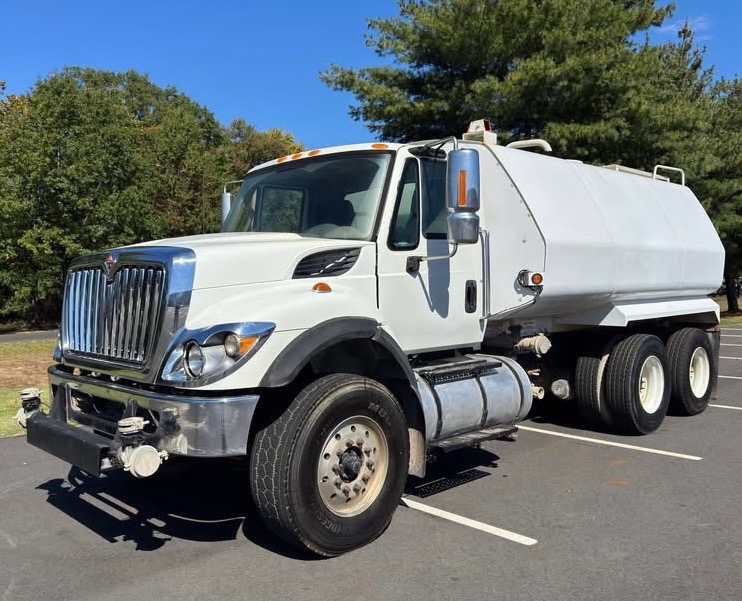
What Size Water Tender Do You Need?
Read article : What Size Water Tender Do You Need?The right water tender size is the one that sustains your needed fire flow over a full round trip to water. Tank volume alone is the wrong spec — dump rate, fill rate and haul distance decide what a tanker delivers. Here is the arithmetic, and what to check on a used truck.
-
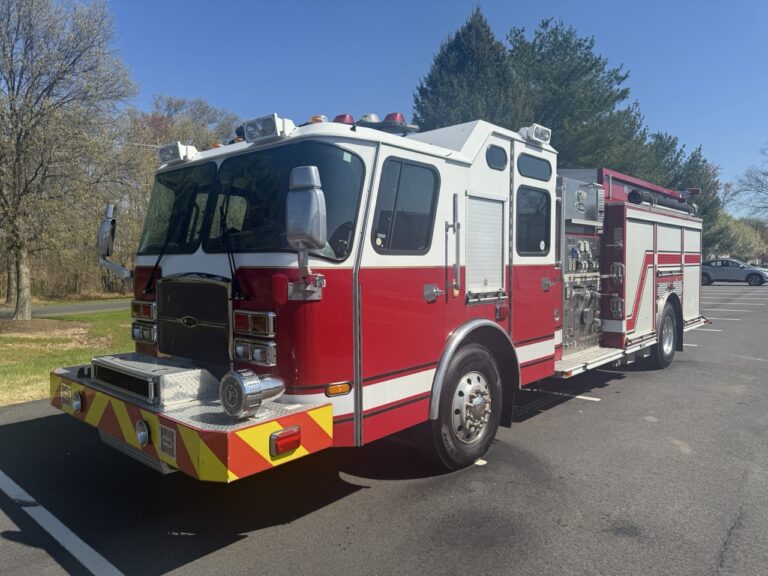
Fire Truck Pump Test vs Pump Certification: What Actually Fails a Pump
Read article : Fire Truck Pump Test vs Pump Certification: What Actually Fails a PumpA fire truck pump test is the annual check that a pump still makes rated flow at rated pressure from draft. A pump certification is a one-time, independently witnessed test of a new pump. Here is what each document proves, who is allowed to sign it, and what actually fails a pump.
-
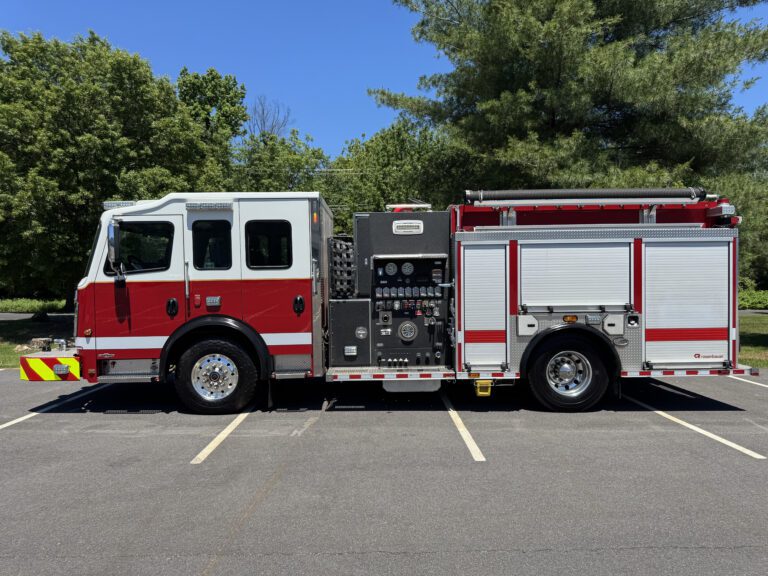
Do You Need a CDL to Drive a Fire Truck?
Read article : Do You Need a CDL to Drive a Fire Truck?A commercial driver's license applies to most fire trucks by default, because nearly every pumper, aerial and tanker is rated above 26,001 pounds. The firefighter exemption is real but narrow: it belongs to your state, carries four conditions, and usually does not cover driving a truck you just bought home.
-
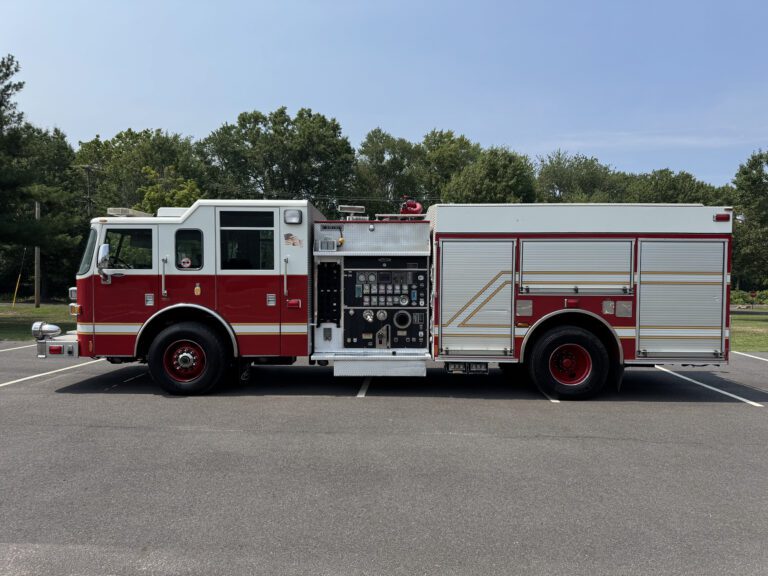
How Much Water Does a Fire Truck Hold?
Read article : How Much Water Does a Fire Truck Hold?Most fire trucks hold 300 to 1,000 gallons, and NFPA set the pumper minimum at 300. Tankers run to 4,000. The more useful number is duration: a 300-gallon tank lasts 90 seconds through a 200 gpm handline, and crews must hold 10 percent back in reserve.
-
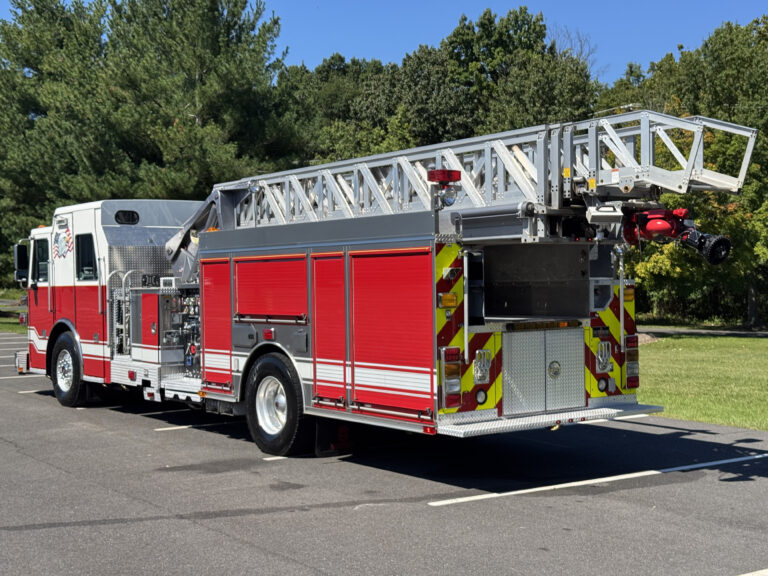
Fire Truck vs Fire Engine: What’s the Difference?
Read article : Fire Truck vs Fire Engine: What’s the Difference?A fire engine carries the pump, tank and hose, and it puts water on the fire. A fire truck carries the aerial ladder and the forcible-entry tools. Neither NFPA nor the federal typing system uses the phrase fire truck, and plenty of aerials carry a bigger pump than the engine parked beside them.
 CALL US NOW